Empowerment
Patient-reported outcomes: from symptom to clinical data
Asking patients how they are, systematically and between visits, is not a courtesy: in oncology it has been shown to improve quality of life, reduce emergency visits and extend survival. How to integrate PROs into practice.
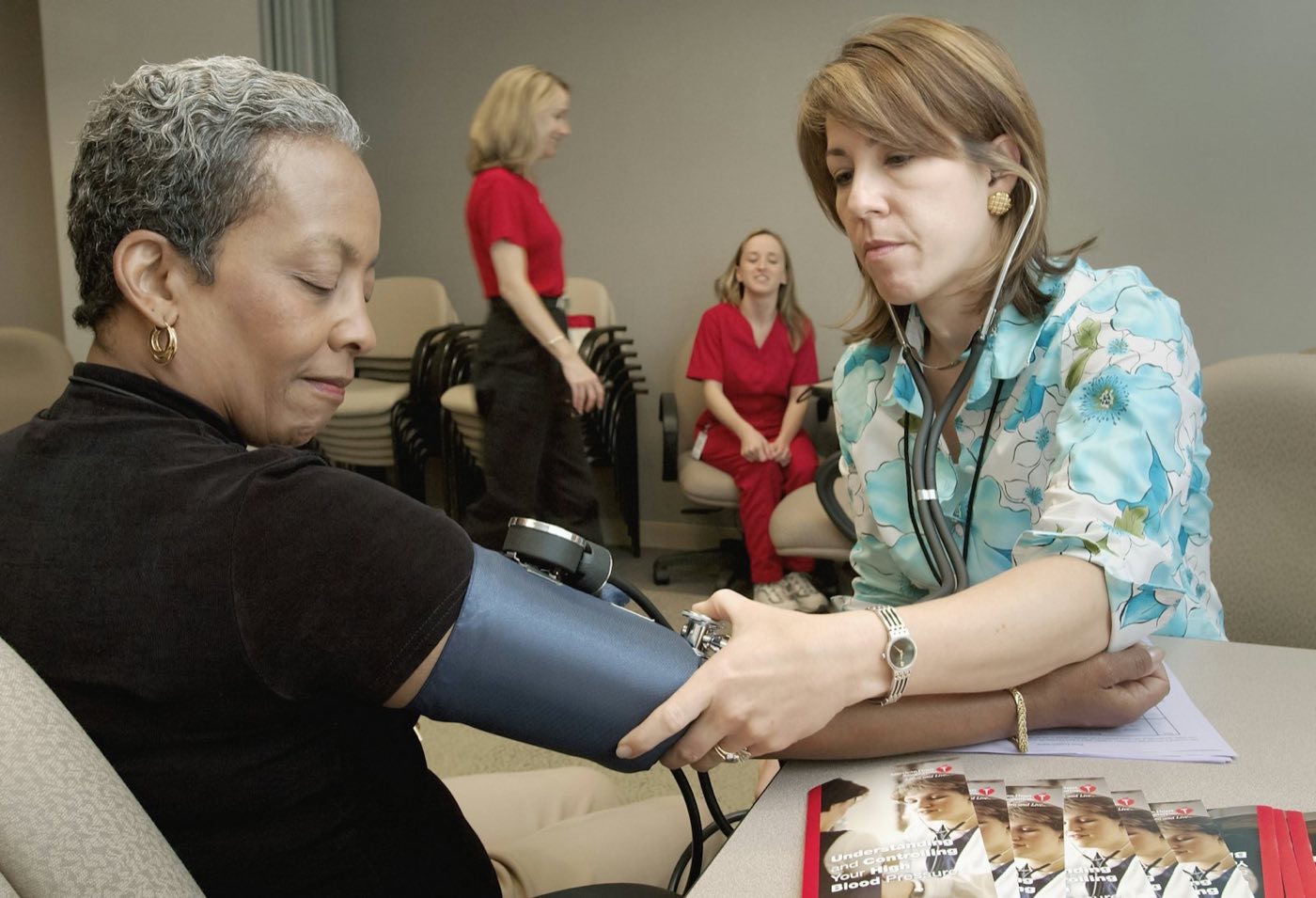
A patient-reported outcome (PRO) is any information about a patient's health status that comes directly from them, without prior interpretation by a clinician: pain, fatigue, nausea, mood, the ability to climb stairs. The standardised questionnaires that collect them are called PROMs, and they have been used in research for decades.
What is new is using them in everyday care, between visits, as one more vital sign. The strongest evidence comes from oncology: when patients on chemotherapy log their symptoms weekly and the team responds to changes, quality of life improves, emergency visits fall and, in the most cited trial, survival is extended.
This article explains what that evidence showed, why it works and what it takes for a PRO collected at home to become a useful clinical data point rather than another form nobody reads.
The evidence: logged symptoms, extended lives
Ethan Basch and his team at Memorial Sloan Kettering randomised 766 patients with advanced cancer on treatment to a web system where they logged twelve common symptoms, versus usual follow-up. When a symptom worsened or reached a threshold, nursing staff received an email alert and acted.
The results, published in the Journal of Clinical Oncology in 2016 and in JAMA in 2017, showed better health-related quality of life, fewer emergency visits, more time on chemotherapy and a median overall survival about five months longer in the symptom-logging group. A later French trial in lung cancer, with web questionnaire follow-up, found an effect in the same direction.
The proposed mechanism is simple: symptoms are detected earlier, treated earlier and the patient tolerates treatment better, so they stay on it longer. No sensor was involved. The data was generated by the patient describing how they felt.
Why it works: data the patient recognises as their own
A PRO has a property a vital sign lacks: the patient understands perfectly what it means. Nobody needs their own fatigue explained to them. That makes PROs the most natural entry point to participation, especially for people with low health literacy or without devices.
Furthermore, answering a questionnaire and seeing someone react teaches the patient that their experience counts as clinical information. In the qualitative studies accompanying these trials, patients describe feeling 'watched over' in the good sense: accompanied, not controlled.
Finally, PROs capture what vital signs do not see. A patient with normal oxygenation may be too exhausted to get up. Poorly controlled pain shows up on no sensor. Medicine centred on outcomes that matter to patients needs to ask them.
Design: frequency, thresholds and response
Three decisions define a PRO programme. The first is frequency: weekly during active treatment, fortnightly or monthly in stable follow-up. Asking every day produces questionnaire fatigue and lower-quality data; asking every three months arrives too late.
The second is thresholds. Each item needs a value that triggers an action, and a change from the previous answer that also triggers one. A stable pain score of 4 out of 10 is not the same as pain going from 1 to 4 in a week.
The third, and most important, is the response. In Basch's trial, nurses called the patient. If an abnormal PRO produces no contact, the patient stops answering within weeks, and rightly so. The loop must always be closed, even with a message saying 'we saw it, it is expected at this stage, tell us if it gets worse'.
Integration into practice and research
PROs integrate best when they are part of the patient's clinical profile: the right questionnaire for their condition and phase, scheduled automatically, with thresholds defined by the service and visible in the same panel as vital signs. An isolated questionnaire in another app is looked at by no one.
For the patient, the questionnaire should be short, in their language, and return something: a summary of their trend, an explanation of what is normal at their stage or a change of plan. That return is what turns a PRO into an activation lever rather than one more chore.
At service scale, aggregated and anonymised PROs are a research source of enormous value: they allow treatments to be compared by their real impact on patients' lives, under-reported toxicities to be detected and management decisions to be justified with outcomes that matter. It is how data born at home also returns to clinical knowledge.