Empowerment
How to prepare for surgery: what the evidence says
What you do in the weeks before surgery and the three months after influences how you recover. A practical, evidence-based guide to before, the day and after.
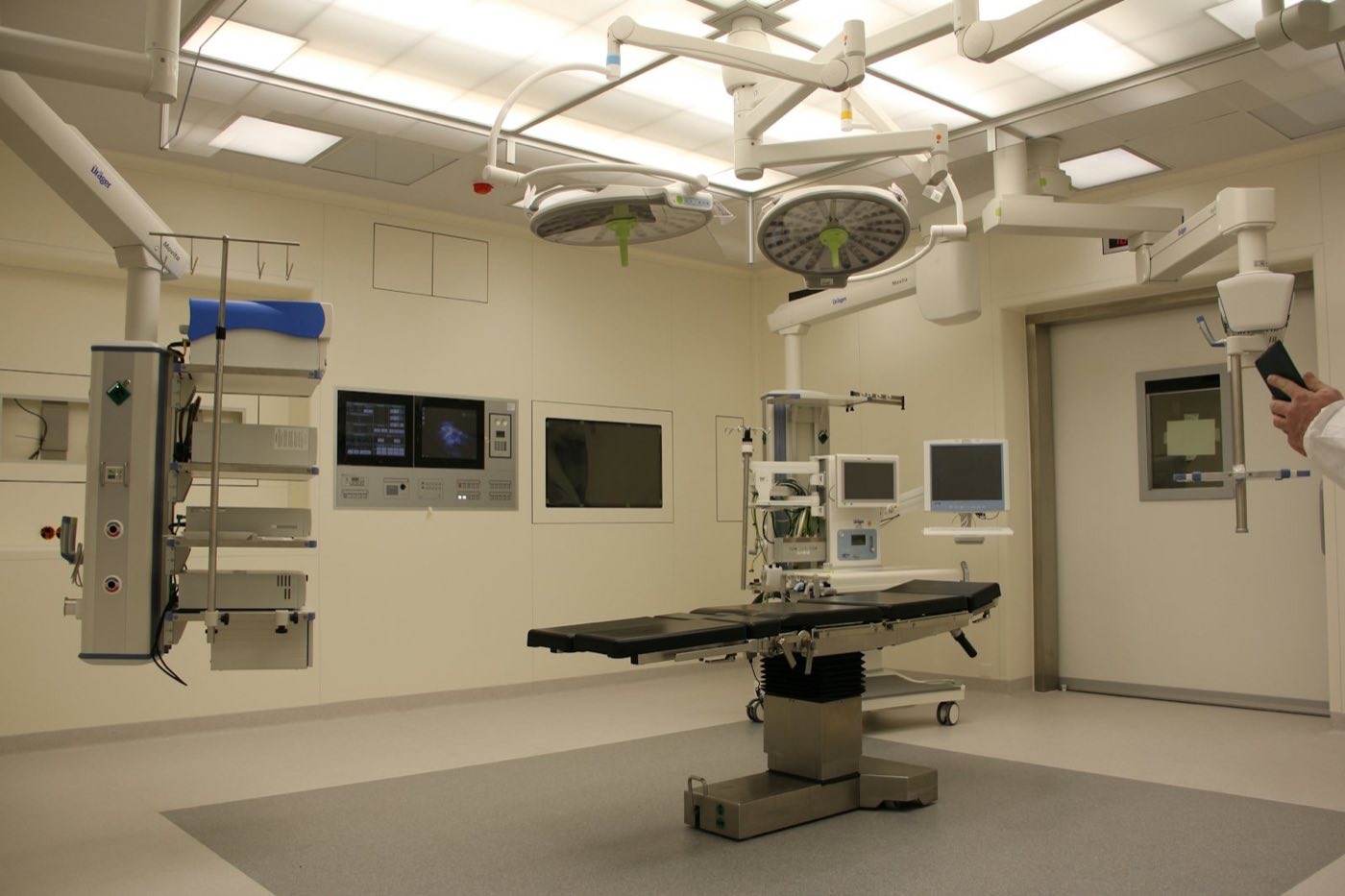
A scheduled operation does not start in the operating theatre. It starts weeks earlier, when body and mind prepare for the effort, and it does not end at discharge but when you return to your normal life, which for many surgeries is about three months. For almost all of that time you are at home, and what you do there counts.
Modern surgery knows this. Enhanced recovery programmes, known as ERAS, have reduced complications and days in hospital across dozens of procedure types, and one of their pillars is that the patient knows what is going to happen and takes part: eats earlier, gets up earlier, moves earlier.
This guide summarises what the evidence says works at each stage, from day −7 to day +90, so you always know where you are on the path and what comes next.
The weeks before: prehabilitation
Prehabilitation means arriving at surgery in the best possible shape. Programmes combining exercise, nutrition and emotional support in the preceding weeks have shown fewer complications and faster recoveries, especially in abdominal and orthopaedic surgery and in older or frail people. Walking every day, even a little, already counts.
Stopping smoking even four weeks beforehand reduces respiratory and wound complications. It is probably the single most impactful decision you can take on your own before entering the theatre, and your team can help you with treatment.
And prepare your mind. Reviews of preoperative education show that knowing what is going to happen reduces anxiety before the procedure. Ask how much pain to expect, when you will be able to get up and which signs should worry you. Write it down or ask for it in writing.
Surgery day and the first days
Fasting is not what it used to be. In most hospitals with updated protocols you can drink clear liquids until two hours before anaesthesia, and you will often be given a carbohydrate-rich drink the night before and the morning of the procedure. Arriving dehydrated and without energy does not help: follow your hospital's exact instructions.
Getting up early is treatment. Early mobilisation, sitting up the same day and walking the next day if possible, reduces the risk of thrombosis, pneumonia and loss of strength. It hurts, which is why pain control is part of the plan: ask for pain relief before you move, not after.
Eat as soon as you are allowed. Resuming oral intake early speeds up bowel recovery and reduces complications. If you feel nauseous, say so: there is effective medication and there is no reason to put up with it.
The first weeks at home
Most complications that lead to a return to emergency appear in the first two weeks after discharge, and many can be detected earlier at home: fever, a red and hot wound, pain that gets worse instead of better, a swollen and painful calf. Knowing what is normal and what is not on each day is what makes the difference.
After a knee replacement, for example, swelling can last three weeks and is expected; local cold and keeping the leg raised help. What is not expected is fever or the skin around the wound changing colour. Digital follow-up protocols exist precisely for this: every day they tell you what to do and what should alarm you.
The prescribed exercises are the part of the treatment that depends on you. Patients who do them regain mobility sooner, and those who do not fall behind within weeks. If you struggle to follow them, say so: adjusting the plan is far better than abandoning it.
Up to day +90: back to normal life
Driving, working, playing sport, travelling: each surgery has its own timelines and it is worth knowing them in advance so you neither rush ahead nor hold back out of fear. Ask when you can return to each activity and what sign will tell you that you are ready.
In-person reviews at six and twelve weeks are checkpoints, but a lot happens between them. Recording pain, mobility and the state of the wound, even with a photo and two questions a week, lets your team see your progress and adjust the plan without waiting for the appointment.
And keep your record. A report with your measurements, your exercises and your incidents is useful for any professional who sees you afterwards and, above all, for you: to see where you came from and how far you have come. Recovery is a path, and it is easier to walk when you know where you are on it.